
How to Fix a Tile Roof Leak in Arizona (and When You Shouldn’t)
Why Tile Roof Leaks Happen in Arizona
Tile roofs are built to handle Arizona’s sun and heat, but the tiles themselves are not the waterproof layer. They act as the outer shield, while the underlayment beneath them does the real work of shedding water.
Over time, intense UV exposure, thermal expansion, dust, and monsoon weather can weaken that system. In many cases, a roof may appear fine during long dry periods and then suddenly show signs of leaking after the first heavy rain reveals a hidden weakness.
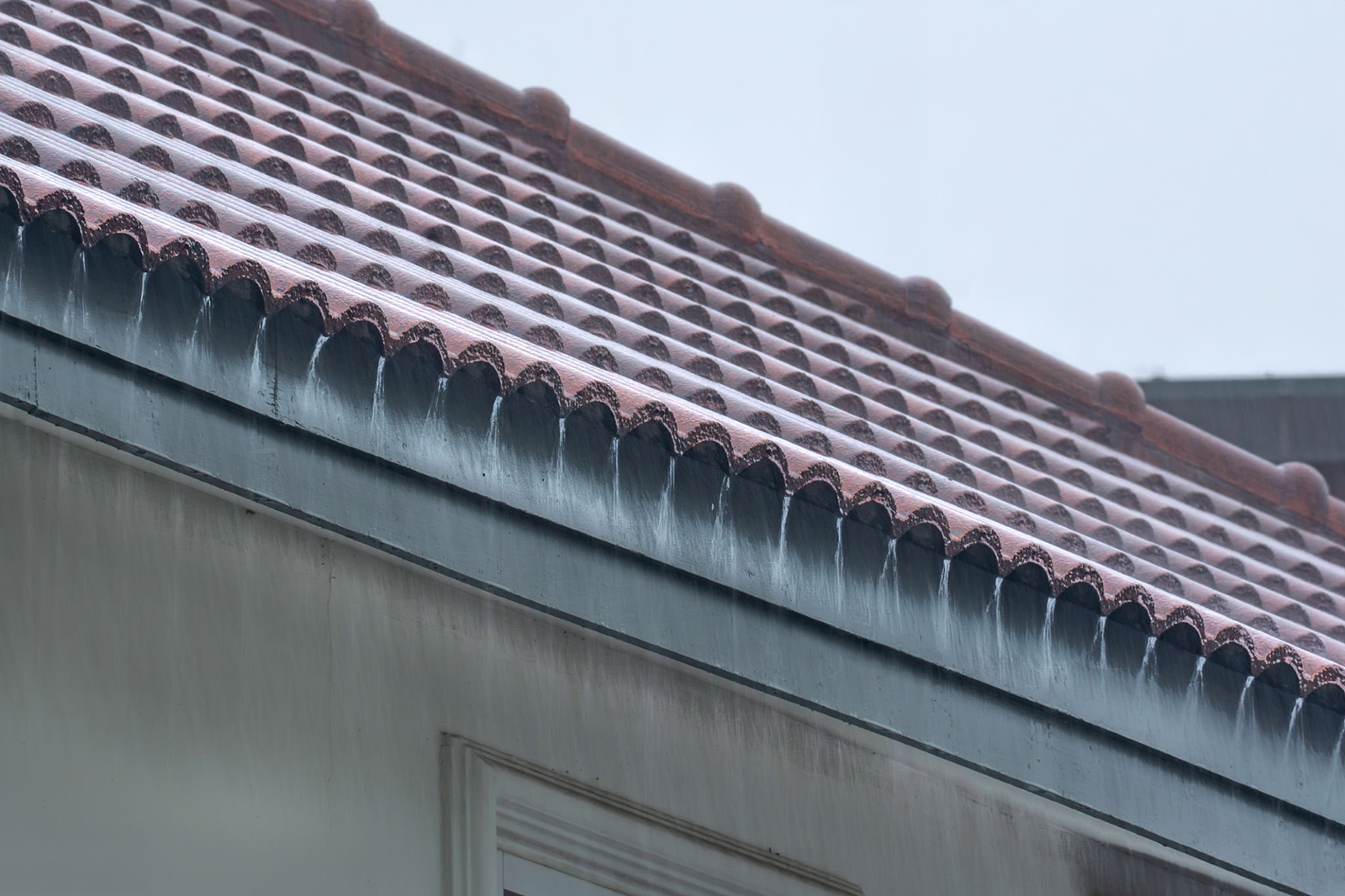
Why Tile Roof Leaks Happen in Arizona
Tile roofs are built to handle Arizona’s sun and heat, but the tiles themselves are not the waterproof layer. They act as the outer shield, while the underlayment beneath them does the real work of shedding water.
Over time, intense UV exposure, thermal expansion, dust, and monsoon weather can weaken that system. In many cases, a roof may appear fine during long dry periods and then suddenly show signs of leaking after the first heavy rain reveals a hidden weakness.
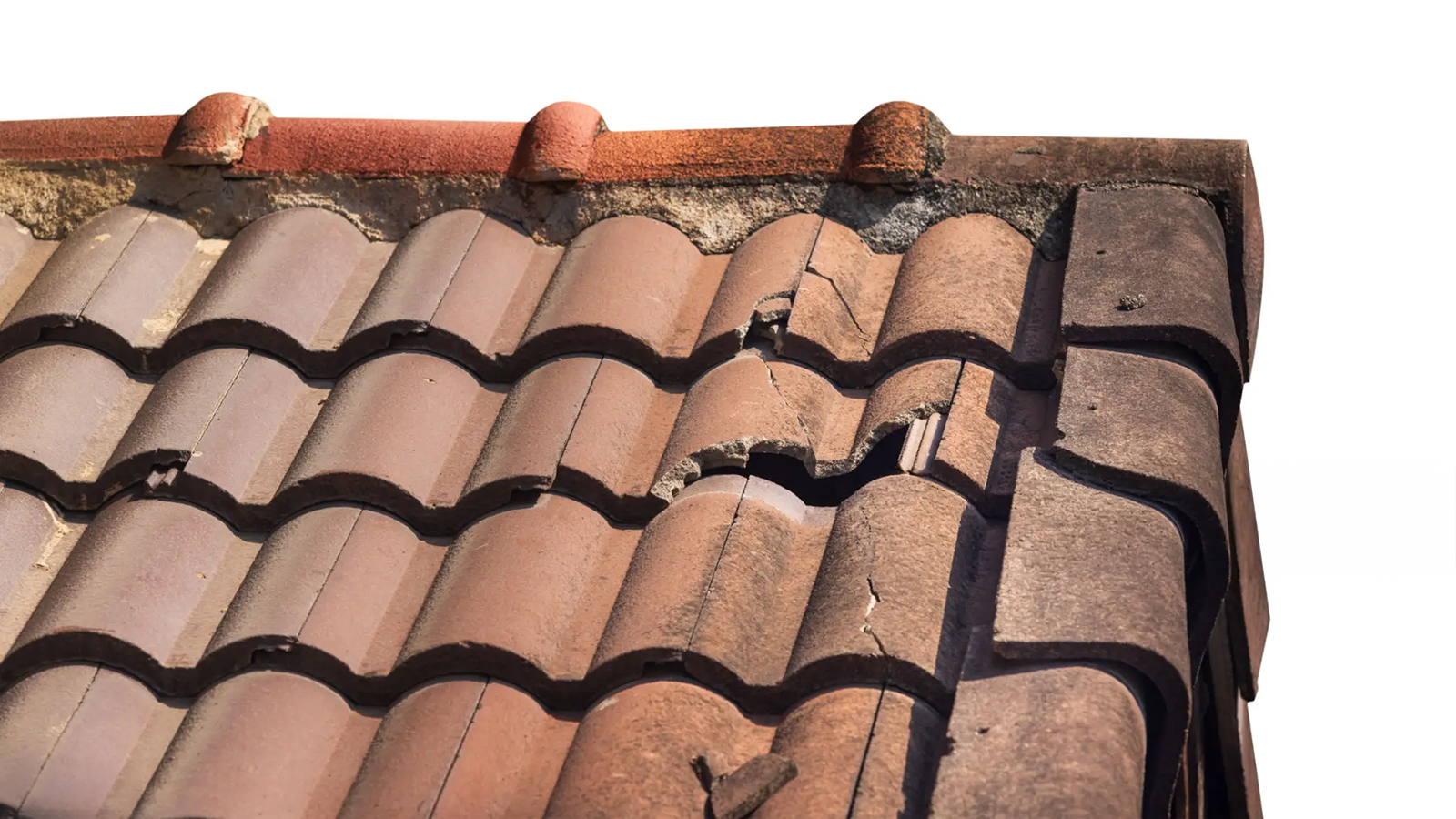
Common Causes of Tile Roof Leaks
- Worn, cracked, or exposed underlayment beneath the tile
- Cracked, slipped, or displaced tiles from impact or foot traffic
- Flashing failures around vents, skylights, chimneys, and other roof penetrations
- Improper sealing at roof-to-wall intersections and transition areas
- Debris buildup in valleys that traps or redirects water
- Improper past repairs that only addressed surface symptoms
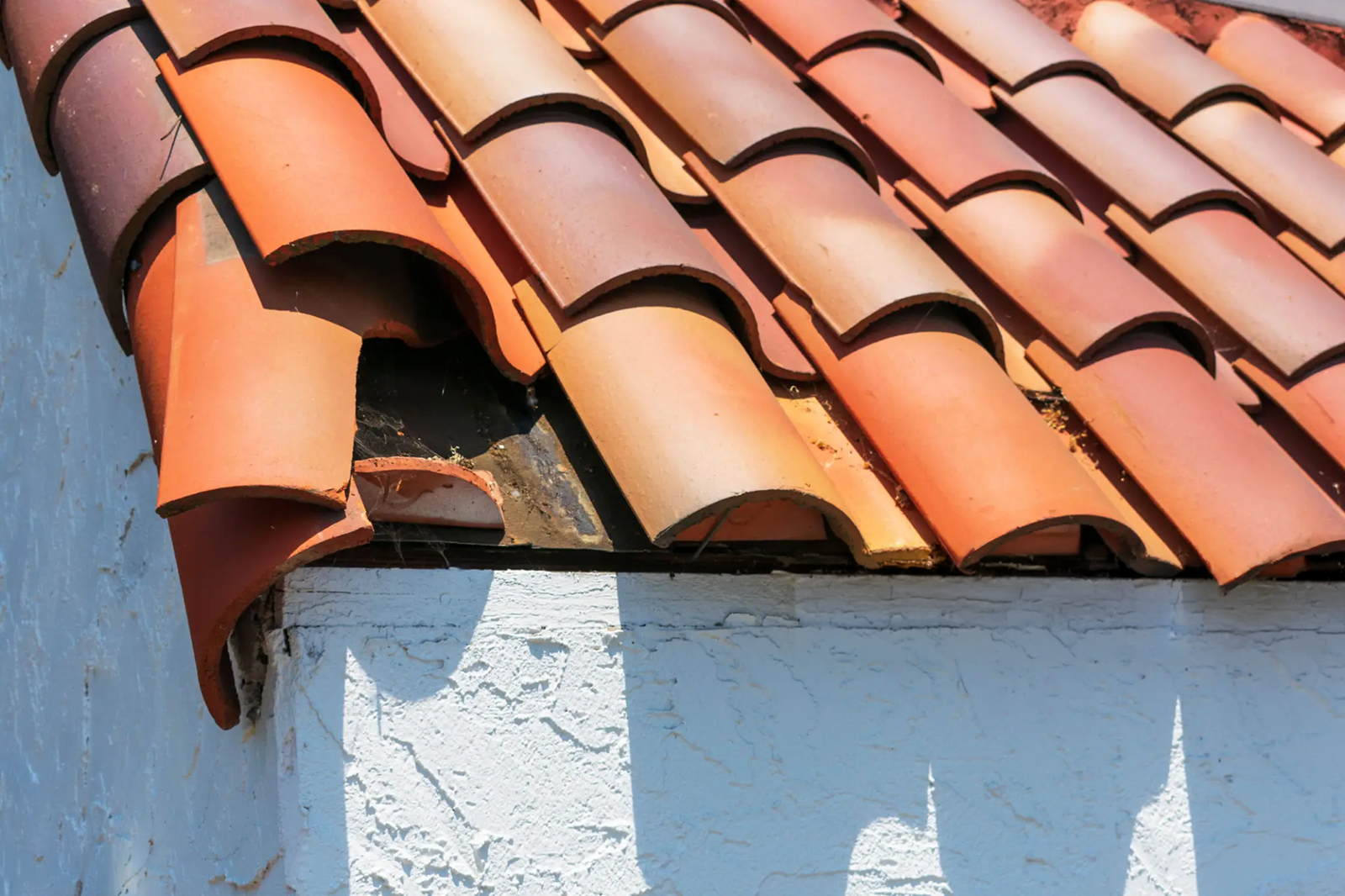
Signs Your Tile Roof Is Leaking
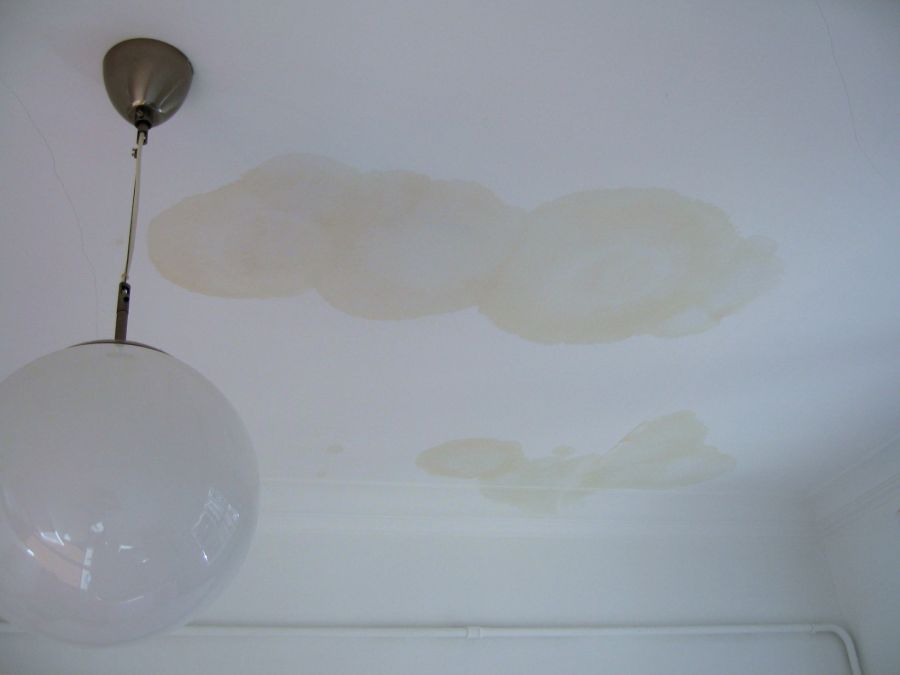
- Water stains on ceilings or walls
- Dripping during or after rainstorms
- Mold or mildew odors in attic spaces
- Darkened or softened drywall
- Visible tile displacement or broken pieces on the roof
In Arizona, some tile roof leaks do not become obvious until after a strong storm or monsoon rain. Water may enter the roof system in one area, travel beneath the surface, and only become visible later inside the home.
When a Tile Roof Leak Can Be Repaired
Not every tile roof leak means the entire system is failing. In some cases, the problem is localized and can be repaired effectively.
This may include replacing a broken tile, correcting flashing around a penetration, resealing a transition, or addressing a limited problem area where the underlayment is still largely intact. When the issue is isolated, a targeted repair can extend the life of the roof without major disruption.
When a Leak Indicates a Larger Problem
If leaks are recurring, showing up in multiple locations, or appearing after each major rain event, the issue is often deeper than one broken tile or one visible stain.
Interior symptoms do not always point to the true entry point. Water can move beneath roofing materials before it shows itself inside, which is why a small ceiling stain may reflect a larger roofing problem above.
When signs point to broader deterioration rather than a single isolated defect, it becomes important to understand whether a repair still makes sense or whether the roof is moving into replacement territory. That decision is explained in more detail here: tile roof repair vs replacement in Arizona.
Why Underlayment Failure Causes Most Leaks
Most tile roof leaks in Arizona are not caused by the tile itself. They are caused by failure of the underlayment beneath it.
Tile can last for decades, but the underlayment usually ages out much sooner under Arizona heat. Once it begins to dry out, crack, curl, or deteriorate, water can get through the system even if the tile surface still appears serviceable.
For a deeper explanation of why this happens, read our tile roof underlayment replacement guide for Arizona homeowners.
How Tile Roof Leaks Are Properly Fixed
A proper repair starts with identifying the real source of moisture intrusion rather than only reacting to the visible symptom inside the home.
Water often enters in one area and shows up somewhere else. In many cases, tiles must be lifted or removed so the underlayment, flashing, and transition details underneath can be inspected directly.
Depending on what is found, a proper fix may involve:
- Replacing damaged or displaced tiles
- Repairing flashing around penetrations and transition points
- Addressing a localized underlayment failure
- Correcting drainage or valley-related water flow issues
- Removing failed patchwork repairs and fixing the underlying cause
For a broader understanding of how these systems are built and maintained, refer to our main tile roofing page.
When NOT to Attempt a Repair
There are situations where attempting a repair can do more harm than good.
If the underlayment is failing across wide sections of the roof, if leaks are appearing in multiple areas, or if repeated repairs have not solved the issue, patching one spot may only delay a bigger failure.
It is also risky to walk on a tile roof without proper technique, since cracked or displaced tiles can create even more problems. When the evidence points to widespread material aging or multiple failure points, a larger evaluation is the safer next step.
Frequently Asked Questions About Tile Roof Leaks in Arizona
Can a tile roof leak even if the tiles look fine?
Where do tile roof leaks usually start?
Is a tile roof leak always repairable?
Can I fix a tile roof leak myself?
How do I know if the leak is coming from the underlayment?
Schedule a Tile Roof Inspection
If you are seeing signs of a leak, the next step is a roof inspection that identifies the actual cause and the true scope of the problem.
Conditions in areas like Sun City, Arizona and nearby communities can accelerate wear through prolonged heat, dust, and seasonal storm activity.
A clear inspection helps determine whether you are dealing with a repairable issue or a larger system problem that should not be patched blindly.